
You’ve tried the things that were supposed to work.
You’ve tried the antihistamines. The neti pot. Maybe even a sinus surgery consultation. And you’re still waking up congested, breathing through your mouth, or nursing another headache that won’t quit.
The congestion that returns every morning, the headaches no medication fully touches, the breathing that never feels open: these often trace back to a structural cause that standard testing isn’t designed to find.
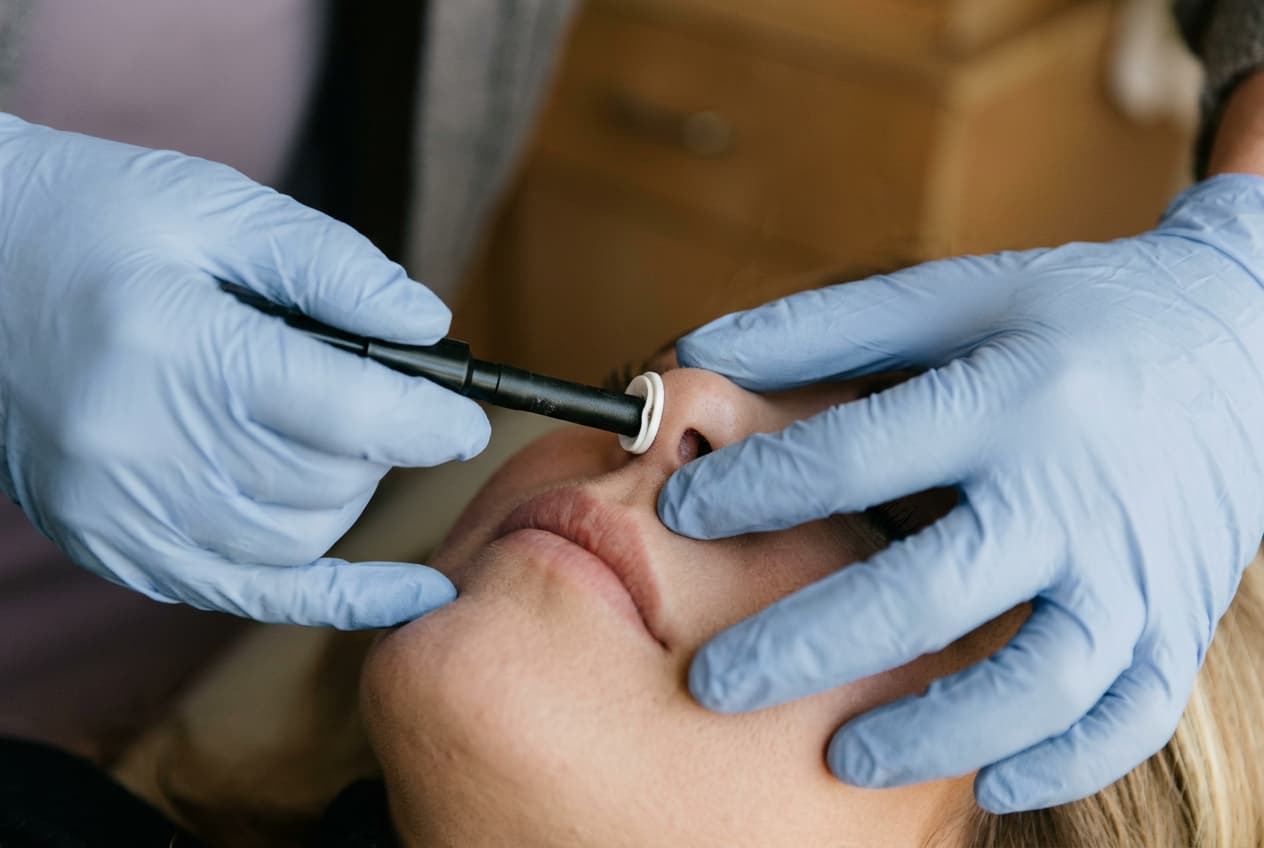
BNS works directly with that structure. A small, soft balloon is guided gently into the nasal meatus and carefully inflated, releasing compression at the base of the skull where several key bones meet. As that compression eases, the muscles and tissue nearby, around the sinuses, the jaw, the nasal passages, often regain better blood flow, giving them easier access to the oxygen and nutrients they need to function and recover.
A gentle, precise way to release the structure underneath your symptoms.
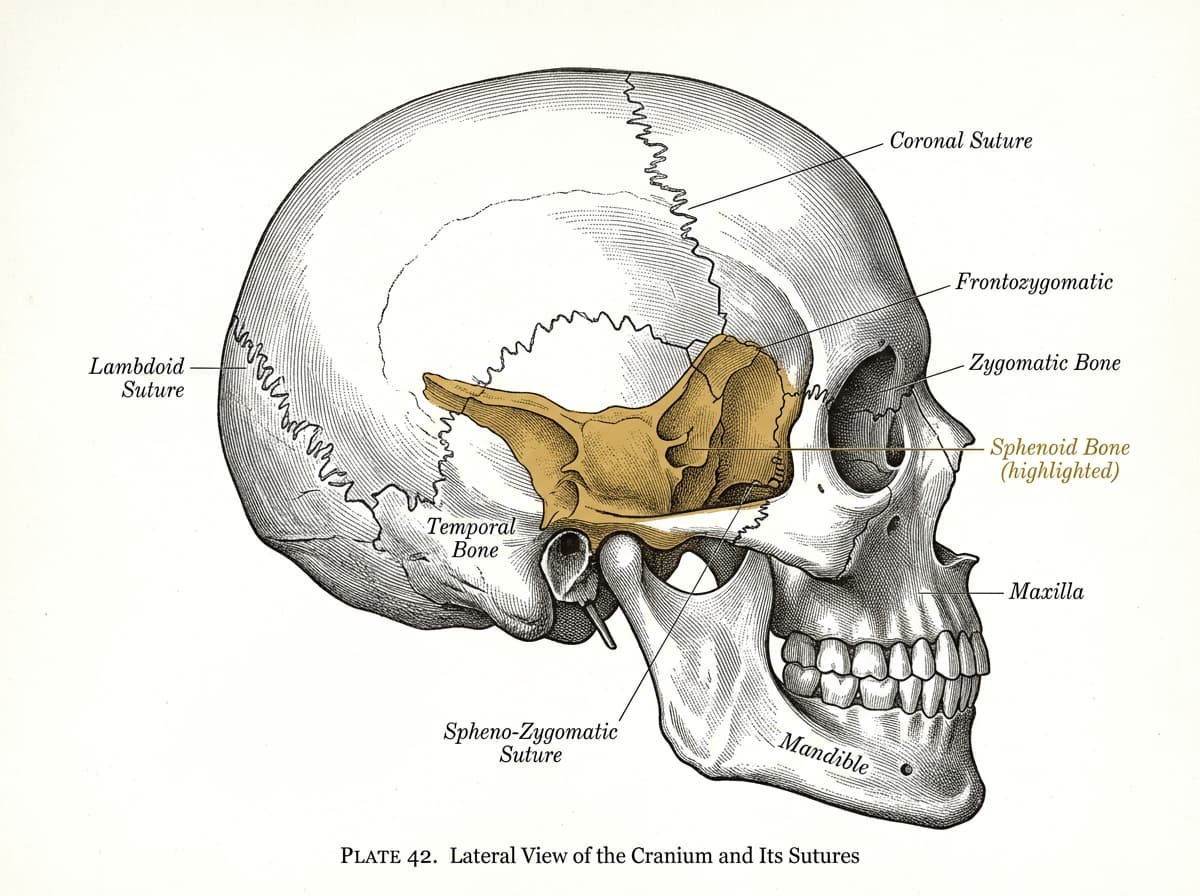
At the base of your skull sits a small, butterfly-shaped bone called the sphenoid. Think of it as the key stone in an arch. When it’s compressed or slightly out of position, everything around it compensates: your sinuses, your jaw, your nasal passages, even nerves connected to the musculoskeletal system.
BNS uses a small, soft balloon guided gently into the nasal meatus, carefully inflated and deflated to release that compression at its source. It’s non-surgical, done in-office, and most patients feel a difference before they leave the room.
Technique lineage
BNS was developed by Dr. Richard Stober, ND, DC, over three decades of clinical refinement starting in the 1960s. Dr. André Saine, one of the most respected physicians in naturopathic and homeopathic medicine and author of The Art, Principles, and Practice of Bilateral Nasal Specific: A Practitioner’s Manual, trained directly under Dr. Stober and carried the technique forward. Dr. Grover trained directly under Dr. Saine.
That’s a direct, unbroken line from the technique’s originator to your treatment room in Battle Ground.
“In my practice, I’ve now performed BNS over 1,000 times. Patients regularly report relief from sinus pressure, headaches, TMJ tightness, and disrupted sleep, often within the same visit.”
The nasal-specific technique has documented clinical use for sinusitis, migraine, TMJ dysfunction, vertigo, and tinnitus across chiropractic and naturopathic literature. As with any clinical treatment, individual results vary from patient to patient.
Structure Governs Function
Addressing the Structural Source of Your Airway Challenges.
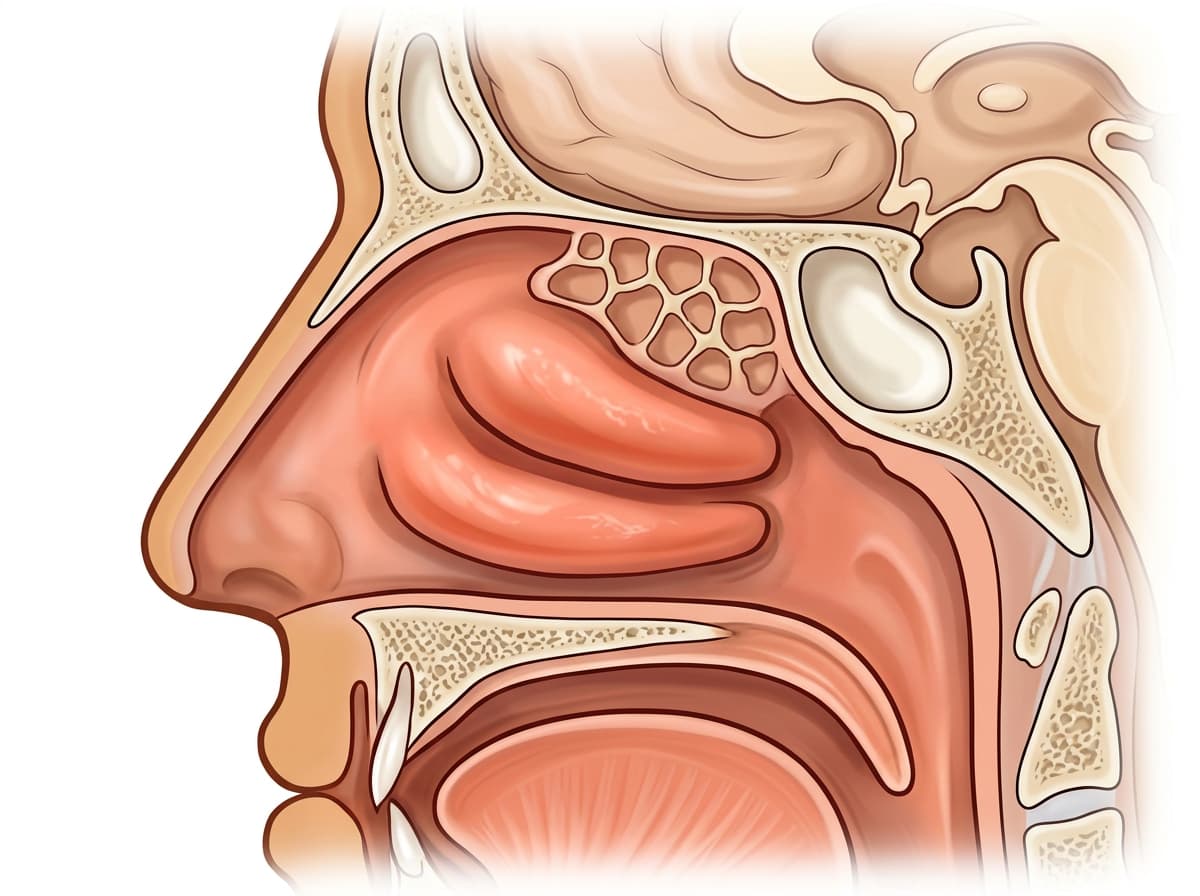
Inside your nose, three small structures called turbinates (superior, middle, and inferior) sit along the nasal wall and regulate airflow into your sinuses: frontal, ethmoid, maxillary, and sphenoid. The space between those turbinates is called the nasal meatus, and that is where the BNS adjustment works to reduce swelling. When the turbinates or the surrounding bone are swollen or slightly misaligned, the drainage channels get blocked, the airway is disturbed, and congestion sets in.
The BNS balloon gently mobilizes the turbinates by way of opening the nasal meatus, and the bones around the nasal cavity, helping reopen those drainage pathways at the structural level by improving structural airflow and drainage, rather than just managing the symptom with a spray or antihistamine.
Before my adjustment I was just getting over a cold so my nose was still stuffy, but now breathing is more relaxed and easier. Before treatment my head was hurting, and now that is gone.
Before the adjustment I felt some slight blockage, and afterward I felt completely clear.
I knew I had sinus blockage but I had no idea how much and how quickly it could clear.
When the nasal airway is structurally narrowed, breathing through your nose takes real effort, so the body defaults to the mouth, especially during sleep. Chronic mouth breathing is linked to dry mouth, restless sleep, and daytime fog, and it often persists long after the original congestion is gone.
By reopening the nasal passages at their structural source, BNS makes nose breathing easier and more natural. Many patients notice they can take a full, deep breath through the nose immediately after treatment.
Before the adjustment I felt like I could only get minimal air through one nostril, and afterward I was breathing deeper and more fully. I also noticed that my mind seemed a bit clearer. I was able to nose breathe more often rather than mouth breathe.
Allergic inflammation swells the same turbinates that regulate your airflow. If your nasal drainage is already structurally compromised, every allergy season lands harder and clears slower, and the congestion, pressure, and headaches can linger long past peak pollen.
BNS won’t stop your body from reacting to allergens, but by improving structural drainage it gives your nasal passages a better baseline to work from, so seasonal flares have less room to build and back up.
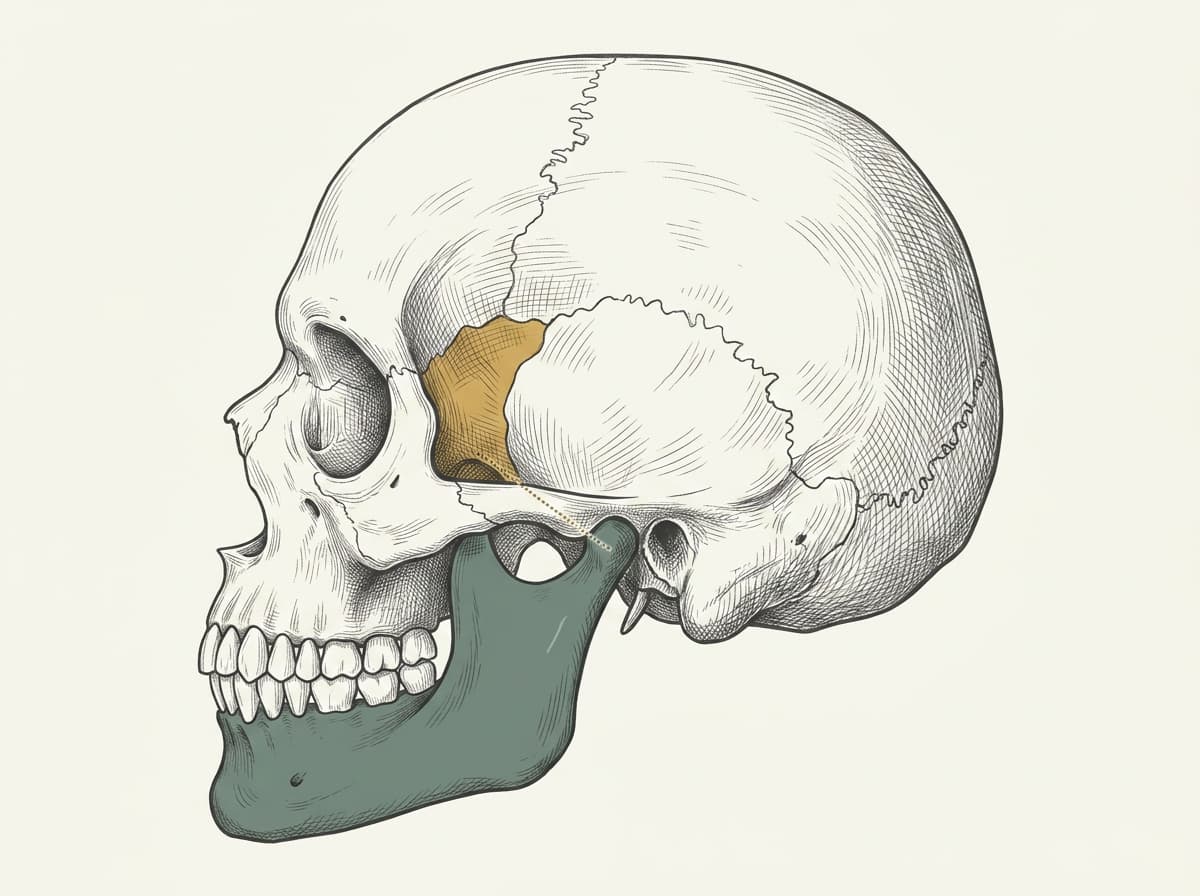
The jaw joint sits directly next to the temporal bone, which shares a direct suture connection with the sphenoid, the same bone at the center of the BNS adjustment. When the sphenoid is under structural tension, that tension can carry through this connected chain of bone into the jaw joint itself.
By releasing compression at the sphenoid, BNS can reduce the downstream tension that shows up as jaw clicking, tightness, or clenching-related pain.
Before the adjustment my jaw crackled when I opened my mouth wide, and my right knee was level 7 to 8 painful every time I squatted. After the adjustment, both my jaw crackling and knee pain are reduced by 90%. I keep expecting a crackle when I yawn, but it doesn’t happen.
Are you a licensed practitioner?
If you’re a naturopathic doctor, chiropractor, or other licensed provider interested in learning BNS firsthand, including hands-on training and CE credits, visit the seminar site to see the next session.